
Understanding the causes of sewer backups is essential for homeowners aiming to prevent significant sewer line issues. Common factors include clogs, pipe damage, and tree root intrusion. Recognizing these problems early allows for timely interventions.
Homeowners can adopt effective maintenance strategies to mitigate risks, ensuring system integrity and community well-being. However, the complexity of these factors raises questions about the best practices for prevention. What specific steps can homeowners take to safeguard their sewer systems?
Key Takeaways
- Understanding common causes like clogs and tree root intrusion empowers homeowners to take preventive actions before issues escalate.
- Knowledge of grease buildup and debris helps in adopting better disposal practices, reducing the risk of blockages.
- Awareness of pipe deterioration allows for timely inspections, minimizing the chances of severe damage and costly repairs.
- Recognizing inadequate drainage conditions encourages homeowners to improve landscaping and drainage systems, preventing flooding.
- Familiarity with preventive strategies promotes community sharing of insights, fostering collective action against sewer line problems.
Why Understanding Sewer Backup Causes Is Essential for Homeowners
Why is it essential for homeowners to grasp the intricacies of sewer backup causes? Understanding these causes empowers homeowners to take proactive measures, greatly reducing the risk of costly repairs and health hazards associated with sewer backups. By familiarizing themselves with factors such as tree root intrusion, pipeline deterioration, and improper disposal of waste, homeowners can identify potential vulnerabilities within their sewer systems.
This knowledge fosters a sense of community and belonging, as informed residents can share insights and preventive strategies. Ultimately, recognizing sewer backup causes enables homeowners to maintain their properties effectively, ensuring a safe and functional living environment for themselves and their families. This awareness is vital in promoting long-term home stability and enhancing overall quality of life.
Common Sewer Backup Causes to Watch Out For
Homeowners should be vigilant about the common sewer backup causes that can lead to significant plumbing issues. Understanding these causes can empower them to take preventive measures. Key factors include:
- Clogs: Accumulation of debris, grease, and foreign objects can obstruct the flow.
- Pipe Damage: Cracks or breaks in sewer lines can cause leaks and backups.
- Inadequate Drainage: Poorly designed or maintained drainage systems may lead to flooding.
- Heavy Rainfall: Excessive rain can overwhelm sewer systems, resulting in backups.
Why Tree Roots Are a Common Cause of Sewer Backups?
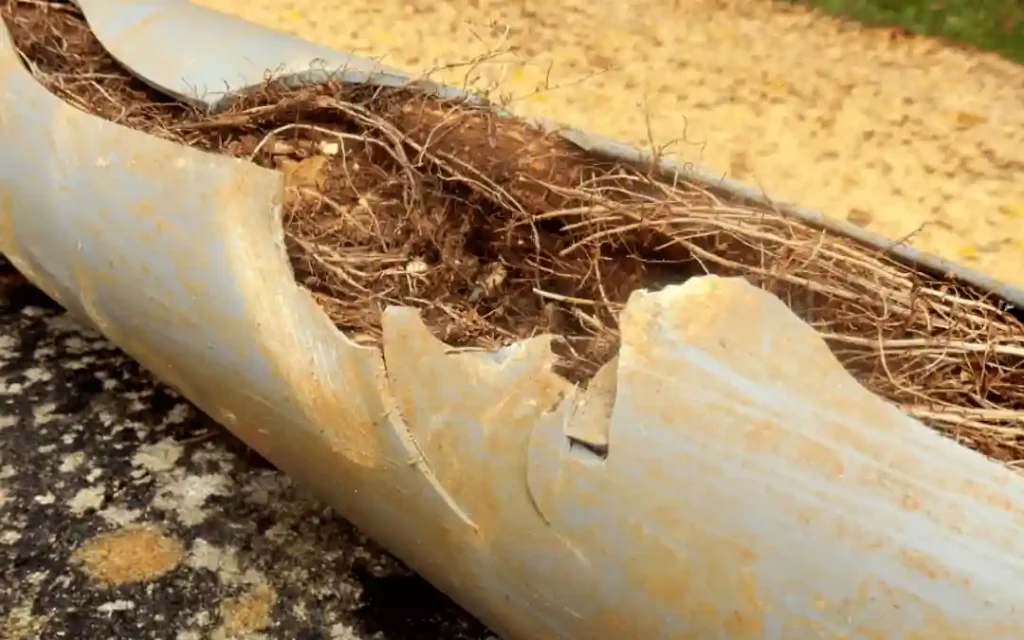
Tree roots represent a significant and often underestimated cause of sewer backups. As trees seek moisture and nutrients, their roots can infiltrate sewer lines, particularly those made of clay or older materials. This intrusion can lead to blockages that impede wastewater flow, resulting in backups. The growth of roots within the pipes can create a network of obstructions, exacerbating the problem over time.
Homeowners often overlook the impact of nearby trees, not recognizing that even small roots can cause substantial damage. Regular inspections and maintenance are essential for identifying root intrusion early. Understanding tree roots as a common cause of sewer backup causes empowers homeowners to take proactive measures, ensuring their plumbing systems remain functional and efficient.
How Grease Buildup and Debris Lead to Sewer Backups
Grease buildup and debris accumulation are critical factors contributing to sewer backups in residential plumbing systems. Understanding these causes can help homeowners mitigate risks effectively. The following elements are particularly impactful:
- Cooking Grease: When poured down drains, it solidifies and clings to pipe walls, narrowing the flow.
- Food Particles: Small bits of food can accumulate, especially when not adequately filtered, leading to blockages.
- Soap Residue: Certain soaps can create a sticky film that traps other debris, exacerbating buildup.
- Sanitary Products: Items not designed for flushing can cause significant obstructions in sewer lines.
Effective Strategies to Prevent Sewer Backups
Effective strategies to prevent sewer backups involve a proactive approach to plumbing maintenance and awareness of potential hazards. Regular inspections of sewer lines can identify issues such as cracks or blockages before they escalate. Homeowners should also avoid flushing non-biodegradable items and minimize grease disposal down drains, as these practices contribute to sewer backup causes.
Installing sink strainers can capture debris while routine hydro-jetting can clear stubborn blockages. Additionally, maintaining proper landscaping can prevent root intrusion into sewer lines. Investing in backflow prevention devices further safeguards against unexpected surges. By implementing these strategies, homeowners not only protect their property but also contribute to the overall integrity of municipal sewer systems, fostering a sense of community responsibility.
Frequently Asked Questions
How Can I Tell if My Sewer Line Is Clogged?
Signs of a clogged sewer line include slow drainage, gurgling sounds from fixtures, and foul odors. Homeowners should monitor these indicators, as they often signal impending sewer backup causes that require prompt attention and resolution.
What Are the Signs of a Sewer Backup?
Signs of a sewer backup include slow drains, gurgling sounds, unpleasant odors, water pooling around fixtures, and multiple plumbing fixtures backing up simultaneously. Recognizing these symptoms early is essential for preventing extensive damage and costly repairs.
How Often Should I Inspect My Sewer Lines?
Homeowners should inspect their sewer lines annually to identify potential issues early. Regular inspections can prevent costly repairs and minimize the risk of sewer backup causes, ensuring a functional and efficient wastewater management system.
Can Heavy Rainfall Contribute to Sewer Backups?
Heavy rainfall can greatly contribute to sewer backups by overwhelming the drainage systems, causing water to back up into homes. Proper management and understanding of sewer backup causes are essential for preventing such occurrences during severe weather.
What Should I Do During a Sewer Backup Emergency?
During a sewer backup emergency, individuals should immediately stop using water fixtures, evacuate affected areas, and contact a professional plumber. Additionally, they should avoid flushing toilets or running dishwashers to prevent worsening the situation.
Conclusion
To sum up, understanding the causes of sewer backups equips homeowners with the knowledge necessary to implement preventive measures. By recognizing common issues such as clogs, pipe damage, and tree root intrusion, they can adopt effective maintenance practices.
Regular inspections, proper disposal methods, and community awareness contribute to minimizing risks associated with sewer line failures. Ultimately, this proactive approach not only protects individual properties but also enhances the overall health and stability of neighborhood infrastructure.
You May Also Like To Read: