
Teaching your kids MIG welding can be a game-changer for their work ethic. As they learn to handle tools and tackle projects, they’ll discover the value of hard work and dedication. It’s not just about welding; it’s about building responsibility and resilience. Imagine how they’ll grow as they face challenges and celebrate their successes. But what specific skills can they gain from this experience? Let’s explore how MIG welding can shape their character.
Key Takeaways
- MIG welding teaches children the importance of focus and precision, essential components of a strong work ethic.
- Engaging in hands-on welding projects fosters a sense of pride in their efforts, boosting resilience and determination.
- Following safety protocols and managing tools instills a sense of responsibility and ownership in young welders.
- Problem-solving during welding challenges enhances critical thinking and adaptability, crucial for developing a strong work ethic.
- Encouragement through mistakes and celebrating small victories builds perseverance, reinforcing a commitment to tasks and future success.
Understanding the Importance of Work Ethic in Children
A strong work ethic is essential for children as it lays the foundation for their future success. When kids learn to take pride in their efforts, they develop resilience and determination. Understanding concepts like the MIG welding process explained not only introduces them to practical skills but also instills a sense of responsibility. As they engage in hands-on activities, they see firsthand the rewards of hard work. Encouraging your child to tackle challenges fosters a belief in their abilities, making them more likely to persevere in other areas of life. By nurturing this work ethic early on, you’re helping your kids build confidence and a sense of belonging that will serve them well in their personal and professional journeys.
The Basics of the MIG Welding Process Explained
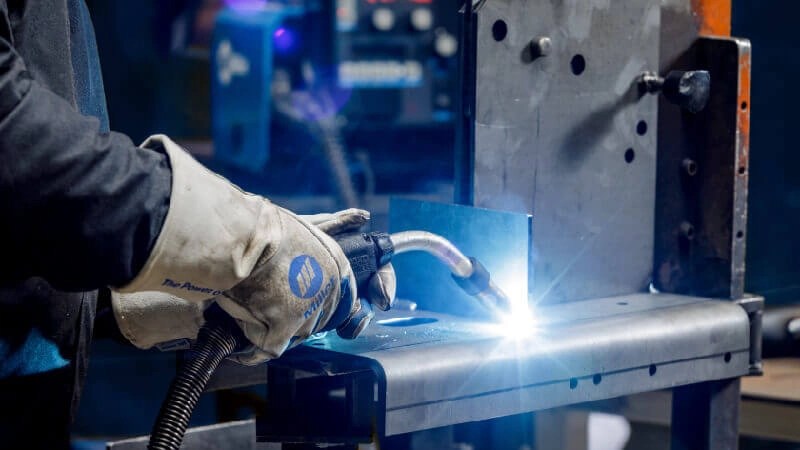
MIG welding, a popular technique in metalworking, offers an exciting way for kids to learn valuable skills. The MIG welding process explained begins with a spool of wire that feeds through a welding gun. When your child pulls the trigger, an electric arc forms, melting the wire and joining two pieces of metal together. It’s a hands-on experience that teaches precision and focus. Plus, safety is key—wearing gloves, a helmet, and protective clothing is essential. Kids can start with simple projects, gradually increasing complexity as they become more comfortable. This journey not only enhances their welding skills but also builds confidence and teamwork. Embrace the challenge together, and watch them thrive in this creative environment!
How Learning MIG Welding Can Foster Responsibility
While diving into welding projects, your kids will naturally learn about responsibility. They’ll quickly realize that each step in the MIG welding process explained requires focus and care. Whether it’s preparing materials or cleaning up afterwards, they’ll understand that their actions directly impact the project’s success. As they manage tools and follow safety protocols, they’ll develop a sense of ownership over their work. This hands-on experience nurtures a commitment to seeing tasks through, instilling a work ethic that extends beyond welding. Plus, working on projects together fosters a supportive environment, where they can share successes and challenges. Embracing these lessons will help them grow into responsible individuals, ready to tackle life’s challenges with confidence.
Building Problem-Solving Skills Through MIG Welding
As your kids take on welding projects, they’ll encounter challenges that require creative thinking and adaptability. This hands-on experience is perfect for building problem-solving skills. Here’s how:
- Identifying Issues: They’ll learn to spot problems in their work, like uneven welds or equipment malfunctions.
- Analyzing Solutions: They’ll get to brainstorm various solutions, discussing what might work best.
- Testing Ideas: Encouraging them to try different approaches fosters experimentation and resilience.
- Reflecting on Outcomes: After each project, they can evaluate what went well and what didn’t, reinforcing learning.
Encouraging Perseverance and Patience in Young Welders
Perseverance and patience are essential virtues that young welders can cultivate through the MIG welding process explained. As they face challenges like misaligned joints or faulty equipment, remind them that mistakes are part of learning. Encourage them to take a deep breath and try again, emphasizing that great welds don’t always happen on the first attempt. Celebrate their small victories along the way, fostering a sense of achievement and belonging in the welding community. Share stories of experienced welders who overcame similar struggles, showing that persistence pays off. By supporting your kids through this journey, you’re not just teaching them a skill; you’re helping them build a resilient mindset that’ll serve them well in all areas of life.
Frequently Asked Questions
What Age Is Appropriate for Kids to Start Learning MIG Welding?
Kids can start learning MIG welding around age 12, with proper supervision. This age allows them to grasp safety and techniques while fostering creativity. You’ll see their confidence and skills grow as they practice together.
Are There Safety Risks With Kids Learning MIG Welding?
Yes, there are safety risks with kids learning MIG welding. It’s essential you provide proper supervision, protective gear, and training. Teaching them safe practices helps prevent accidents and fosters responsibility, making the experience rewarding and educational.
What Tools Are Needed for Beginner MIG Welding?
For beginner MIG welding, you’ll need a MIG welder, protective gear, welding wire, gas cylinder, regulator, and a workbench. Don’t forget safety glasses and gloves—they’re essential for a safe and enjoyable welding experience!
Can MIG Welding Skills Be Applied in Other Fields?
MIG welding skills translate well into fields like automotive repair, construction, and even art. You’ll find that the problem-solving and precision you gain can open doors to various opportunities and boost your confidence.
How Can Parents Support Their Kids in Learning MIG Welding?
You can support your kids in learning MIG welding by providing hands-on experience, enrolling them in classes, and encouraging creativity. Celebrate their progress to build confidence and a lasting passion for this valuable skill.
Conclusion
By introducing your kids to MIG welding, you’re not just teaching them a valuable skill; you’re helping them build a strong work ethic that will serve them for years to come. As they navigate challenges, hone their problem-solving abilities, and embrace the learning process, they’ll develop resilience and responsibility. Celebrate their successes and mistakes alike, and watch as they grow into dedicated, hardworking individuals ready to tackle whatever life throws their way.
You May Also Like To Read: